

Address:
7590 Fruitville Rd, Suite 103
Sarasota, FL 34240



Tissue Regenerative Therapy vs. Cortisone Injections: What Sarasota Patients Should Know Before Joint Surgery
Persistent knee, shoulder, hip, or other joint pain can eventually make surgery feel like the only remaining option. Before reaching that point, some Sarasota patients explore conservative treatments designed to reduce pain, improve mobility, and help them remain active.
At Aligned SRQ, we offer Tissue Regenerative Therapy using non-invasive acoustic wave technology. Understanding how this approach differs from cortisone injections can help you have a more informed conversation about your options before considering joint surgery.
What Does Tissue Regenerative Therapy Mean at Aligned SRQ?
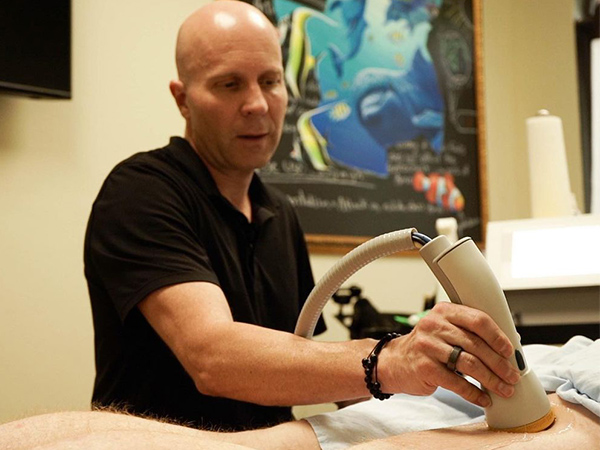
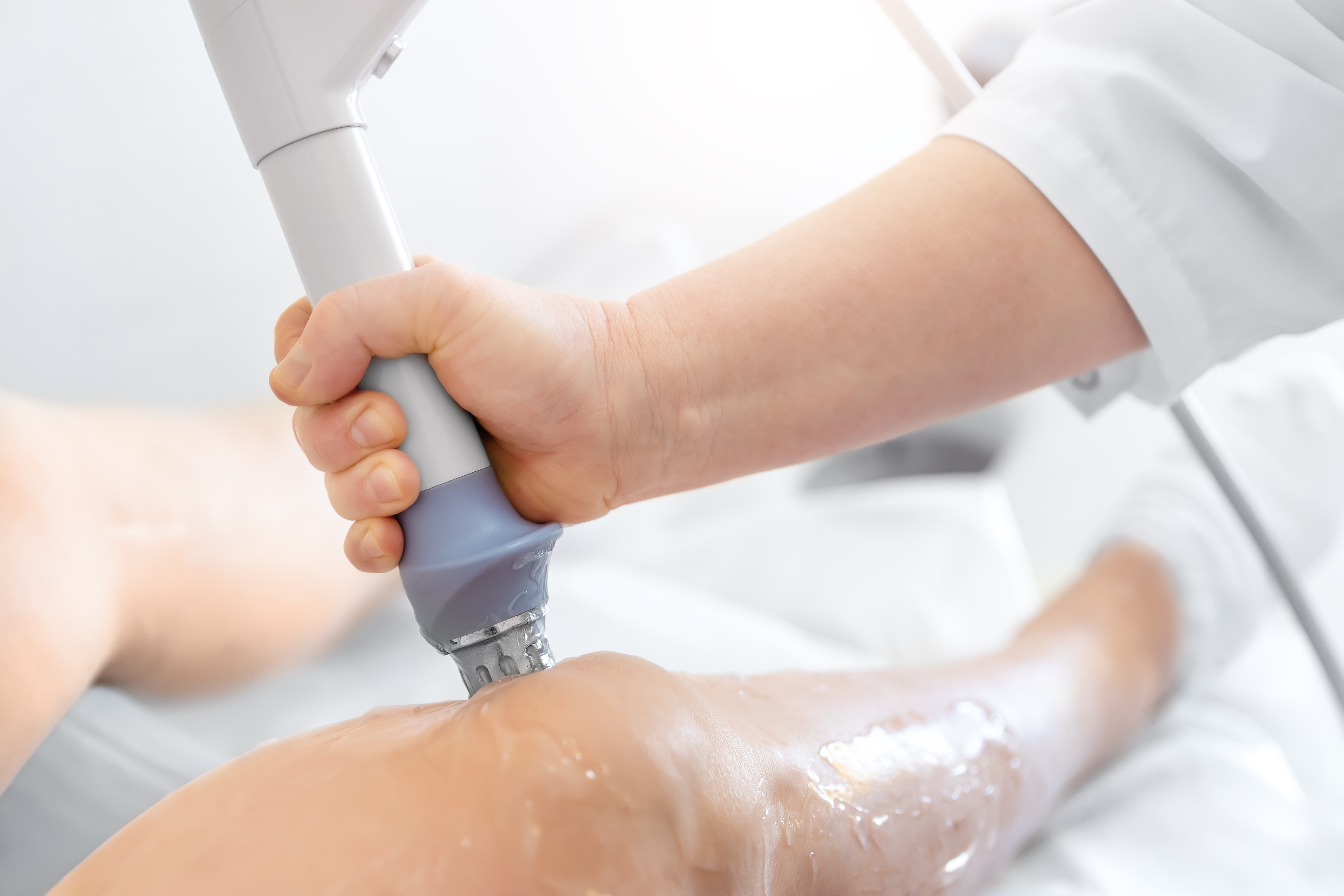
Our Tissue Regenerative Therapy, or TRT, uses acoustic waves delivered through a handheld applicator over the treatment area. It may also be described as soft wave therapy, acoustic wave therapy, or a form of extracorporeal shockwave therapy.
This is not a stem cell injection. No medication or biologic product is injected into the joint.
The acoustic energy is intended to stimulate biological responses in affected tissues. Research into shockwave therapy suggests it may help reduce pain and improve function for certain musculoskeletal conditions, although results vary according to the condition and severity.
How Are Cortisone Injections Different?
Cortisone injections place a corticosteroid medication directly into or around an affected joint or tissue. Corticosteroids reduce inflammation, which can provide temporary relief for some painful conditions.
For certain patients with osteoarthritis, cortisone injections may reduce pain for weeks or several months. However, the effect is typically temporary and does not repair worn cartilage or correct the mechanical cause of a joint problem.
Repeated injections also need to be considered carefully with a qualified medical provider.
Comparing the Two Approaches
TRT and cortisone work very differently:
TRT is non-invasive: Acoustic energy is delivered externally without an injection.
Cortisone reduces inflammation: The medication is intended primarily to provide anti-inflammatory pain relief.
TRT usually involves a series of visits: Treatment plans vary according to the affected area and response.
Cortisone may provide faster symptom relief: Some patients notice improvement relatively quickly, although results and duration vary.
Neither treatment is appropriate for every joint problem: Advanced arthritis, fractures, significant structural damage, or other conditions may require different care.
Neither should be viewed as a guaranteed replacement for surgery: The appropriate treatment depends on the diagnosis and severity of the problem.
Can Acoustic Wave Therapy Help Joint Pain?
Evidence for extracorporeal shockwave therapy continues to develop. Studies involving knee osteoarthritis have found improvements in pain and physical function for some patients, particularly those without severe end-stage disease.
Shockwave therapy is also used for certain tendon and soft tissue problems, including plantar fasciitis, Achilles-related conditions, and other overuse injuries.
At Aligned SRQ, our Tissue Regenerative Therapy is used for concerns including knee pain, shoulder pain, arthritis, ankle and foot pain, elbow pain, sports injuries, and muscle or overuse conditions.
When Might Surgery Still Be Necessary?
Conservative treatment cannot correct every problem. Severe joint degeneration, major ligament or tendon tears, fractures, significant instability, or advanced loss of function may still require an orthopedic consultation or surgery.
That is why the first step should be understanding the source of your pain rather than simply choosing an injection or therapy based on symptoms.
If you are already discussing surgery, it is important to keep your orthopedic specialist informed about any treatments you are considering. Imaging, diagnosis, overall health, previous treatments, and your functional goals all help determine what is appropriate.
Why Explore Conservative Options Early?
Waiting until joint pain severely limits walking, exercise, work, or daily activities can make treatment more complicated. Addressing symptoms earlier may give you more conservative options to discuss.
Tissue Regenerative Therapy does not promise to rebuild an arthritic joint or eliminate the need for surgery. Instead, it may be one non-invasive option for appropriate patients seeking pain relief and better function.
If joint pain is interfering with your Sarasota lifestyle and you want to explore non-invasive options before considering surgery, contact Aligned SRQ at 7590 Fruitville Rd., Suite 103, Sarasota, FL 34240 by calling (941) 214-6150. We can evaluate your concerns and determine whether Tissue Regenerative Therapy may be appropriate as part of your individualized care plan.
Powered by
